
The Pattern Nobody Talks About
It’s a familiar scenario: Work is added to the sprint even though deliverables from other teams haven't arrived yet. Everyone hopes it will work out. Most of the time, it doesn’t. At the end of the sprint, the team is left empty-handed – not because they did poor work, but because the prerequisites were never in place.
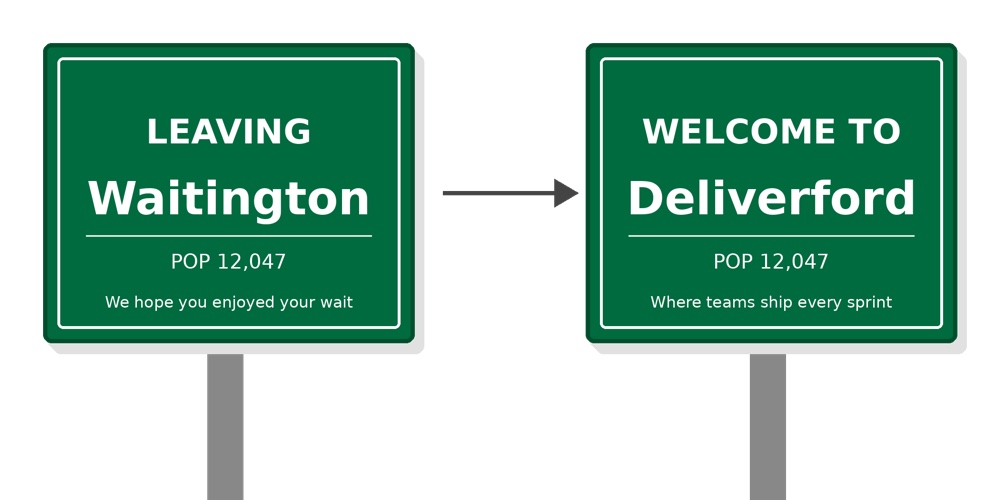 |
That’s frustrating. Understandably, teams in this situation feel powerless. Constantly waiting for others and experiencing repeated disappointment wears you down.
One Decision That Changes Everything
The Agile community's recommendation is simple yet uncomfortable: Don't pull work into the sprint unless the deliverables are already in place. The Sprint Goal must never depend on unresolved dependencies.
Yes, sometimes that means setting important topics aside. Yes, it feels wrong at first. However, it's the most honest and effective decision a team can make.
“But What Do We Do Then?”
- Prepare conditional activities. During Sprint Planning, you can discuss what you’ll do if a deliverable does arrive. That way you’re ready to go immediately – but your Sprint Goal doesn’t depend on it.
- Pull the next most important items. There’s almost always work where everything is already in place. It might feel less urgent, but it delivers real progress.
- Clean up, automate, learn. Pay down technical debt, simplify deployments, teach each other new skills. These aren’t fillers – they’re investments in your ability to deliver.
- Address the real problem. Why do deliverables keep missing? Who needs to talk to whom? What needs to change so you can work more independently in the future?
- Schedule Hack Days. Focused collaboration where everyone works on one topic together. It creates energy and results.
The Real Heart of Scrum
Eventually, good teams stop waiting. They begin to understand the root causes and experiment with ideas to improve their performance. This process takes time. It’s uncomfortable. It also takes courage to do things differently from the rest of the organization.
However, that’s the heart of Scrum: solving problems, not managing dependencies. Sprint by sprint. One improvement at a time.
It starts with one decision: no work without fulfilled prerequisites.
Kommentare
Kommentar veröffentlichen